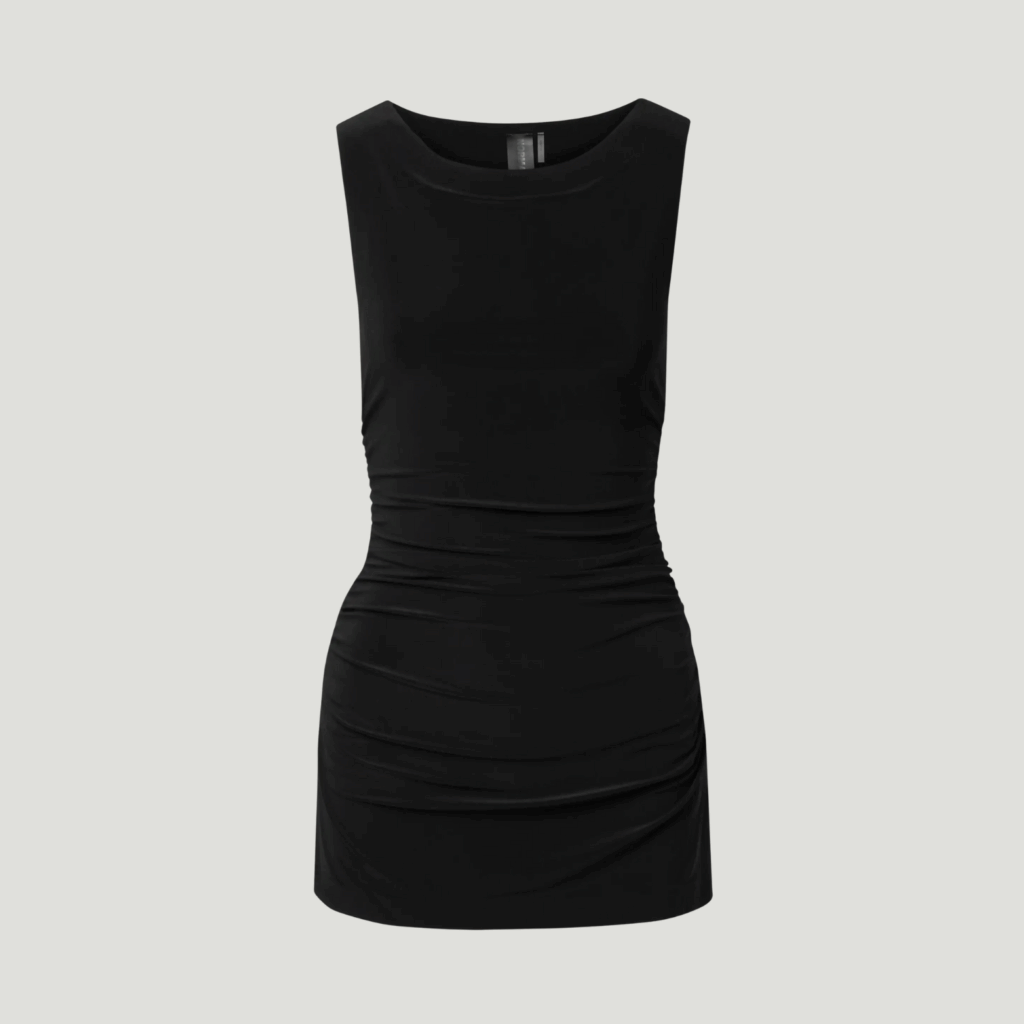
The Difference Between Minimal and Boring
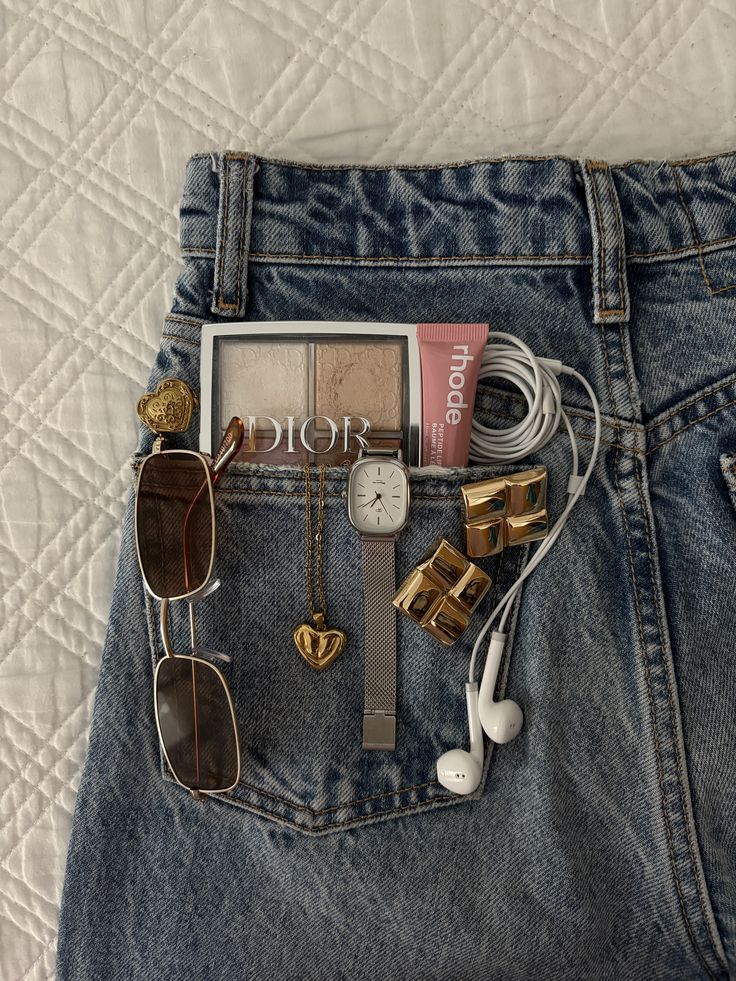
Minimal style is often misunderstood.

Wearing neutral colours and simple silhouettes does not mean dressing without personality. The difference between minimal and boring lies in intention.

Boring outfits are accidental.
Minimal outfits are deliberate.

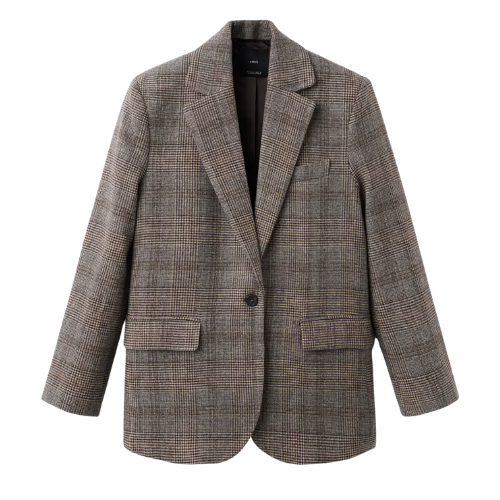
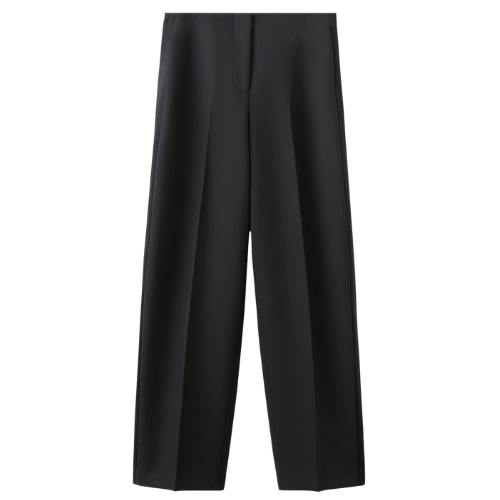
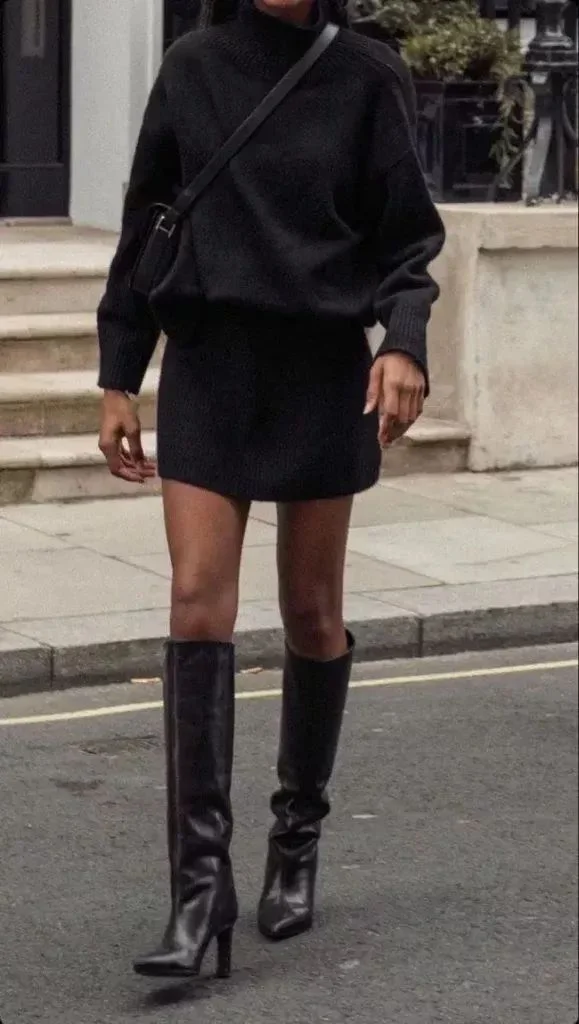
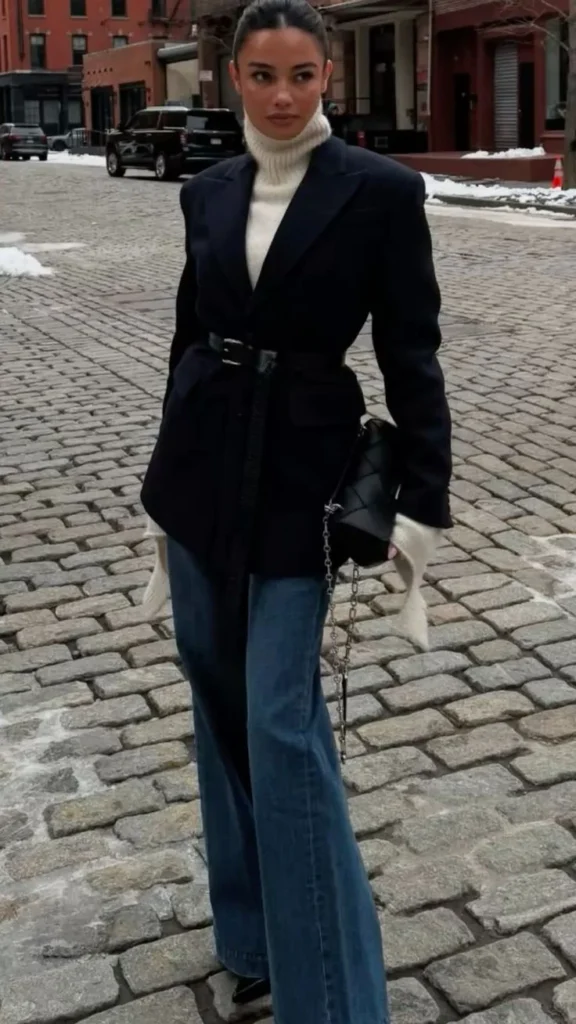
A well-cut blazer, structured trousers and a clean knit may look simple at first glance, but the impact comes from fit, fabric and proportion. When tailoring is sharp and tones are balanced, simplicity becomes powerful rather than plain.

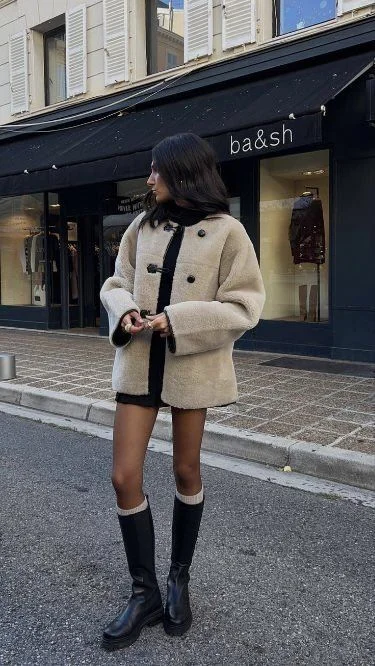
Texture also plays a role. Soft wool against smooth cotton. Structured tailoring paired with relaxed knitwear. Depth is created through contrast, not colour overload.

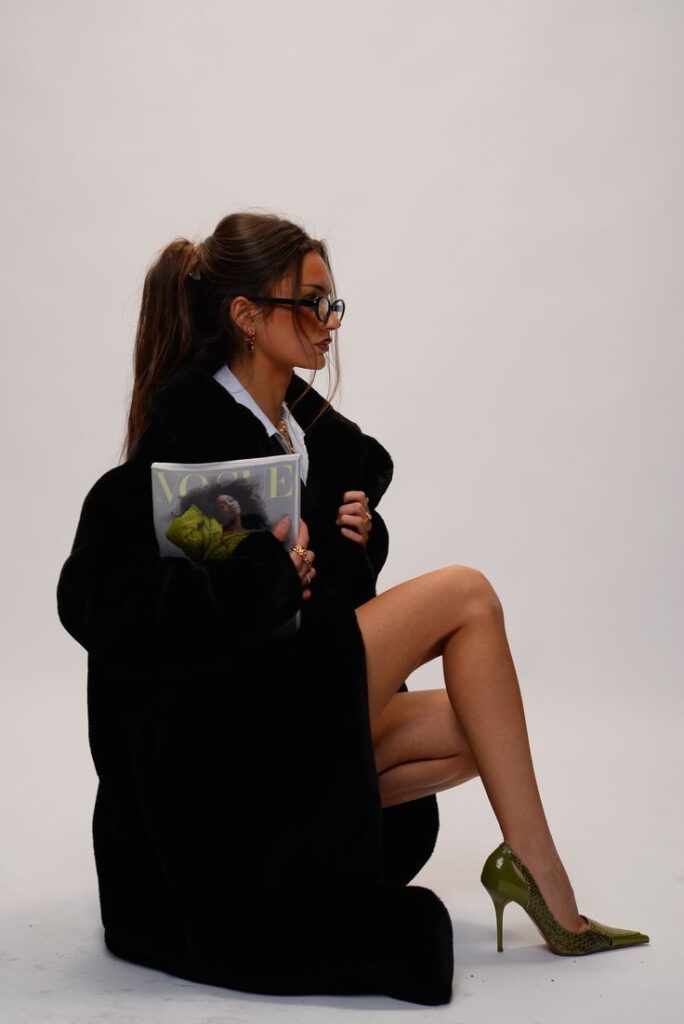
Accessories matter too. A structured bag, refined footwear or subtle jewellery can elevate an otherwise understated outfit.

Minimal style removes excess so that quality becomes visible. Instead of distracting details, the focus shifts to silhouette and confidence.

Boring blends in because it lacks thought.
Minimal stands out because it is controlled.

True simplicity requires precision.

When done well, less does not mean less interesting.

It means more intentional.
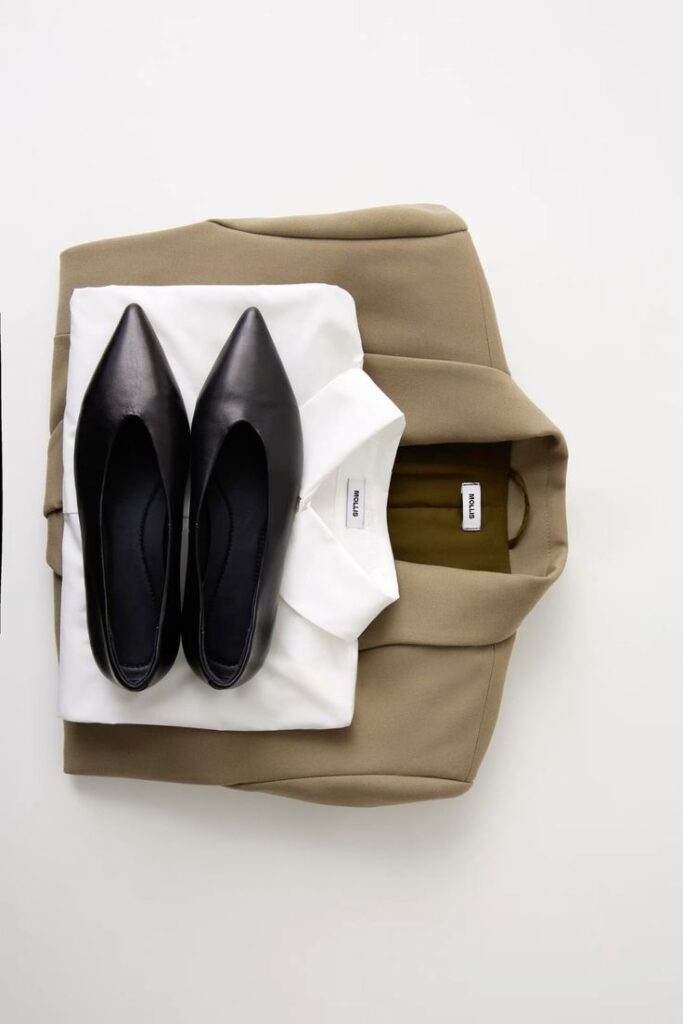
How to Shop More Intentionally

Fast fashion makes buying easy. Building a timeless wardrobe requires more thought.

Many wardrobes feel cluttered because purchases are driven by trends, sales or impulse. While these pieces may feel exciting at the time, they often fail to integrate into an existing capsule wardrobe.

Shopping intentionally begins with clarity.

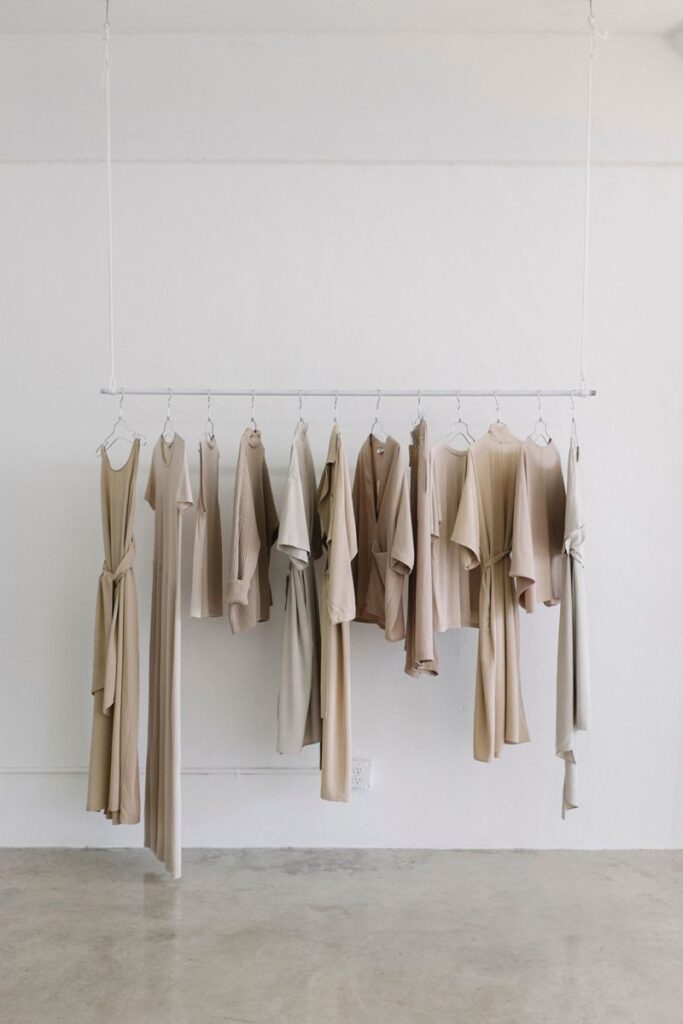
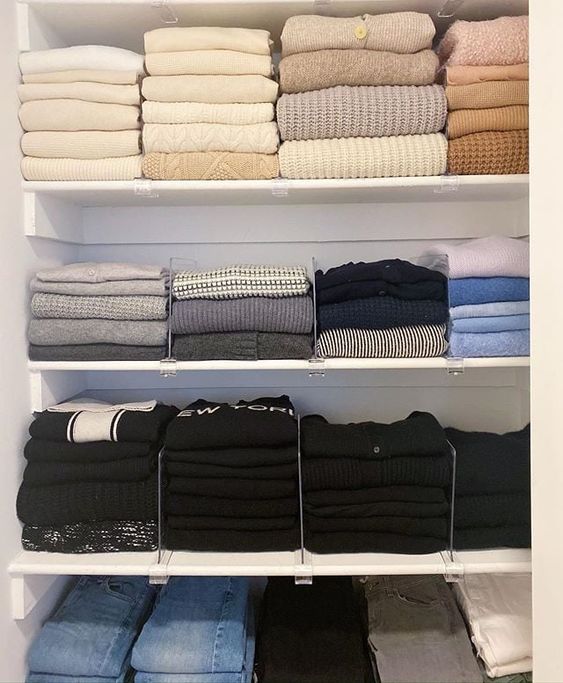
Start with a consistent colour palette. Neutral tones such as cream, taupe and charcoal create a strong foundation and make outfit building easier. When garments naturally complement one another, your wardrobe feels cohesive rather than chaotic.

Versatility is equally important. Before purchasing, consider whether the piece can be styled multiple ways. If it only works for one occasion, its cost per wear increases and its long-term value decreases.

Lifestyle should guide decisions. Clothing should support how you live day to day, not complicate it.

Intentional shopping does not mean avoiding trends entirely. It means prioritising timeless staples first and adding carefully selected pieces with purpose.

A refined wardrobe is built slowly.

Style is shaped through thoughtful choices, not impulse.

Why Fewer Clothes Can Make You More Stylish

More choice does not always equal better outfits.

When a wardrobe is crowded, decisions become harder. Pieces compete for attention. Styling becomes complicated.

A refined wardrobe, built on a limited colour palette and cohesive silhouettes, removes distraction. Each piece supports the next.

With fewer options, combinations increase. Quality becomes visible. Confidence strengthens.

Minimalism in fashion is not about owning less for the sake of it.
It is about owning what works.

Clarity creates style.

The Difference Between Trendy and Timeless

A timeless wardrobe evolves slowly. It grows through considered purchases rather than impulse buys.

True style is not about being first to wear something new.
It is about wearing something well.

Trendy outfits are tied to a specific moment. Timeless outfits are built on proportion, quality and restraint.

Trend-led fashion often relies on exaggerated shapes, bold prints or viral items. Timeless style focuses on fit, fabric and balance.

This does not mean avoiding modern influences. It means filtering them.

The Cost Per Wear Formula

Fashion pricing can be misleading. A £40 top may feel affordable, while a £180 coat may seem excessive. However, the real value of a piece lies in its cost per wear.

Cost per wear is calculated by dividing the price of an item by the number of times it is worn. A coat worn 90 times over three winters may cost just £2 per wear. A trend dress worn twice could cost £20 per wear.

This shift in perspective changes purchasing behaviour. Instead of asking “Is this expensive?”, the better question becomes, “How often will I realistically wear this?”

Investment pieces tend to reduce cost per wear because they are versatile, neutral and durable. Trend pieces, while exciting, often have a shorter lifespan.

The goal is not to eliminate trends entirely. It is to build a foundation first. Once a wardrobe is anchored by reliable staples, selective additions become more intentional.

Value in fashion is measured over time, not at checkout.

The Psychology of Neutral Colours in Fashion

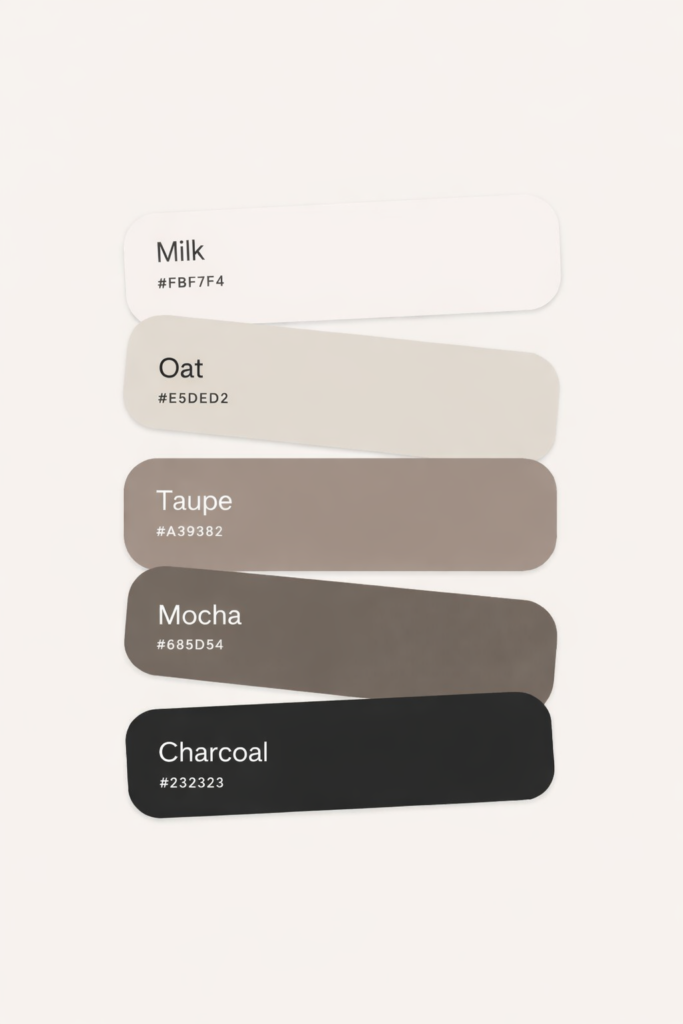
Neutral colours continue to define timeless style. While trends shift quickly, shades such as milk, oat, taupe, mocha and charcoal remain constant foundations in modern wardrobes.

These tones may appear simple, yet they carry strong psychological meaning.

Lighter shades such as milk (#FBF7F4) and oat (#E5DED2) create a sense of calm and clarity. They reflect light softly, giving outfits a clean and considered appearance. Because they pair easily with other pieces, they often form the base of capsule wardrobes.

Mid-tones like taupe (#A39382) and mocha (#685D54) introduce warmth and depth. They feel grounded and balanced, offering subtle contrast without overwhelming the eye. These shades suggest quiet confidence rather than bold display.

Charcoal (#232323), the darkest tone in a neutral palette, communicates structure and authority. Softer than pure black, it feels modern and refined while remaining versatile.

There is also a practical benefit to neutral dressing. A cohesive colour palette reduces decision fatigue. When pieces naturally complement one another, getting dressed becomes easier and more efficient. This simplicity creates a feeling of control and ease.

Luxury fashion frequently relies on muted tones for this reason. When colour is restrained, attention shifts to tailoring, texture and detail. The result feels elevated without appearing forced.

Neutral style is not about avoiding colour. It is about dressing with intention.

By building a wardrobe around considered shades, fashion becomes less about chasing trends and more about creating lasting combinations that feel effortless and composed.

In simplicity, there is quiet strength.

Fast Fashion vs Slow Fashion

At first glance, fast fashion often appears cheaper. Lower prices and constant newness make it feel accessible but the real cost is rarely shown at the checkout. Over time, repeated replacements, poor quality and environmental impact add up far beyond the initial price paid.

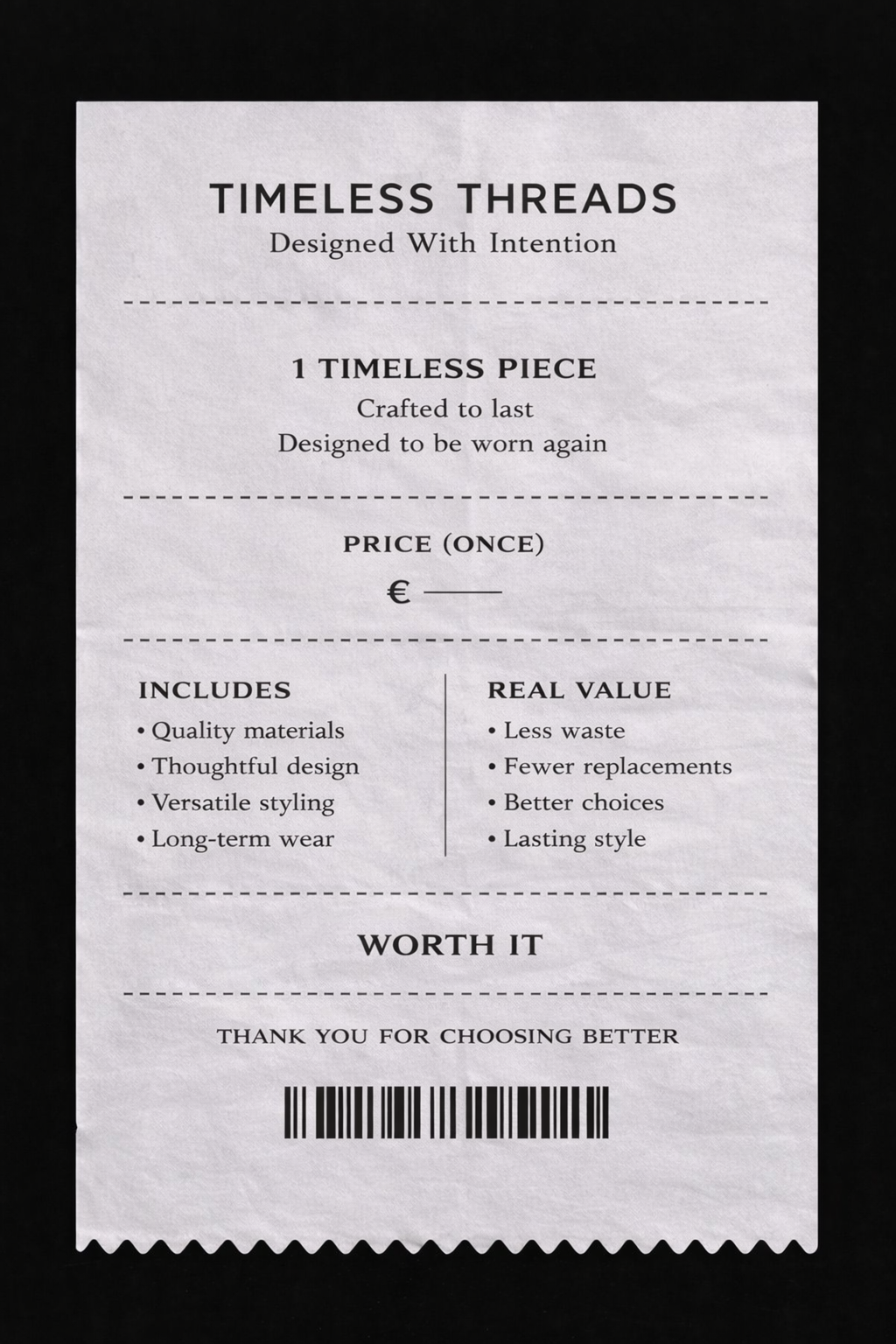
This receipt represents a different approach. One built on intention rather than impulse. Instead of constant consumption, it reflects the value of choosing a single, well-made piece designed to last. Quality materials, thoughtful design and long-term wear shift the focus from short-term savings to lasting value.

When clothing is created with purpose, it is worn more often, kept for longer and appreciated beyond a single season. Fewer purchases mean less waste, fewer replacements and more considered choices overall. The result is a wardrobe that feels simpler, more refined and more personal.

True value isn’t measured by the lowest price. It’s measured by longevity, wearability, and impact. Choosing better means investing once, wearing longer and building a wardrobe that stands the test of time.

Capsule Outfits

Fashion shouldn’t chase seasons  it should flow with them. Each piece in our collection is designed to outlast fleeting trends, adapting effortlessly from spring layers to winter warmth. We believe in clothing that earns its place in your wardrobe  versatile, enduring, and quietly elegant.

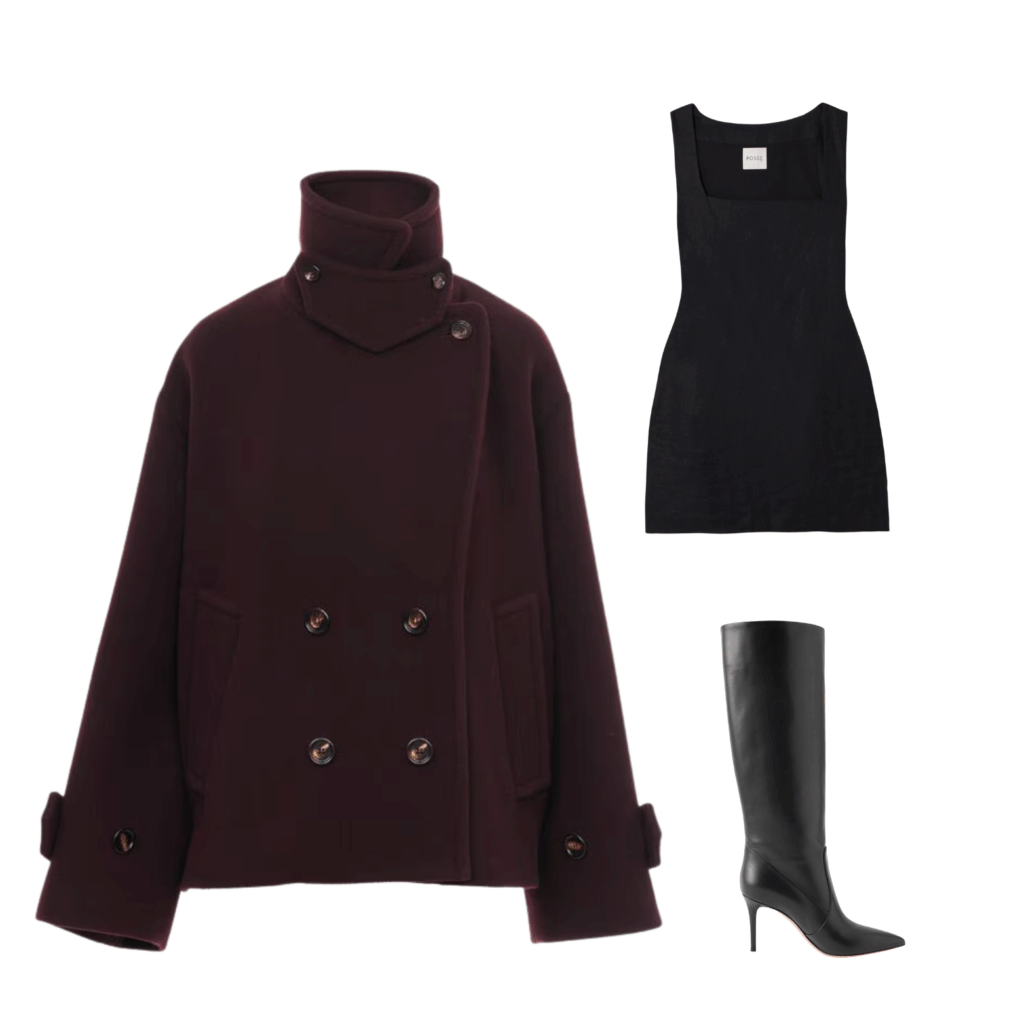
A study in quiet confidence structured tailoring meets minimalist form. A deep burgundy coat layered over a black mini and elevated with sleek leather boots. Understated, refined, and made for evenings that don’t need attention to command presence.
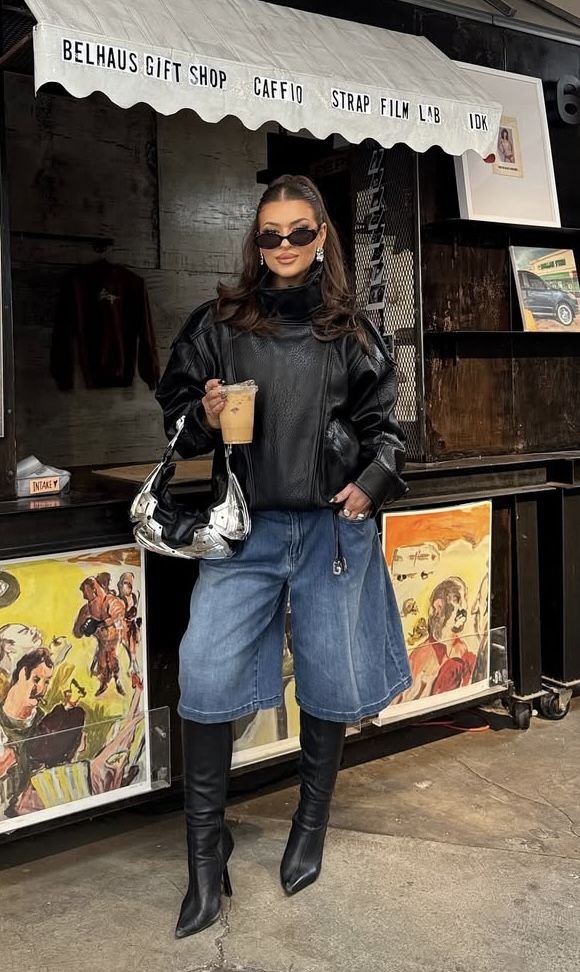
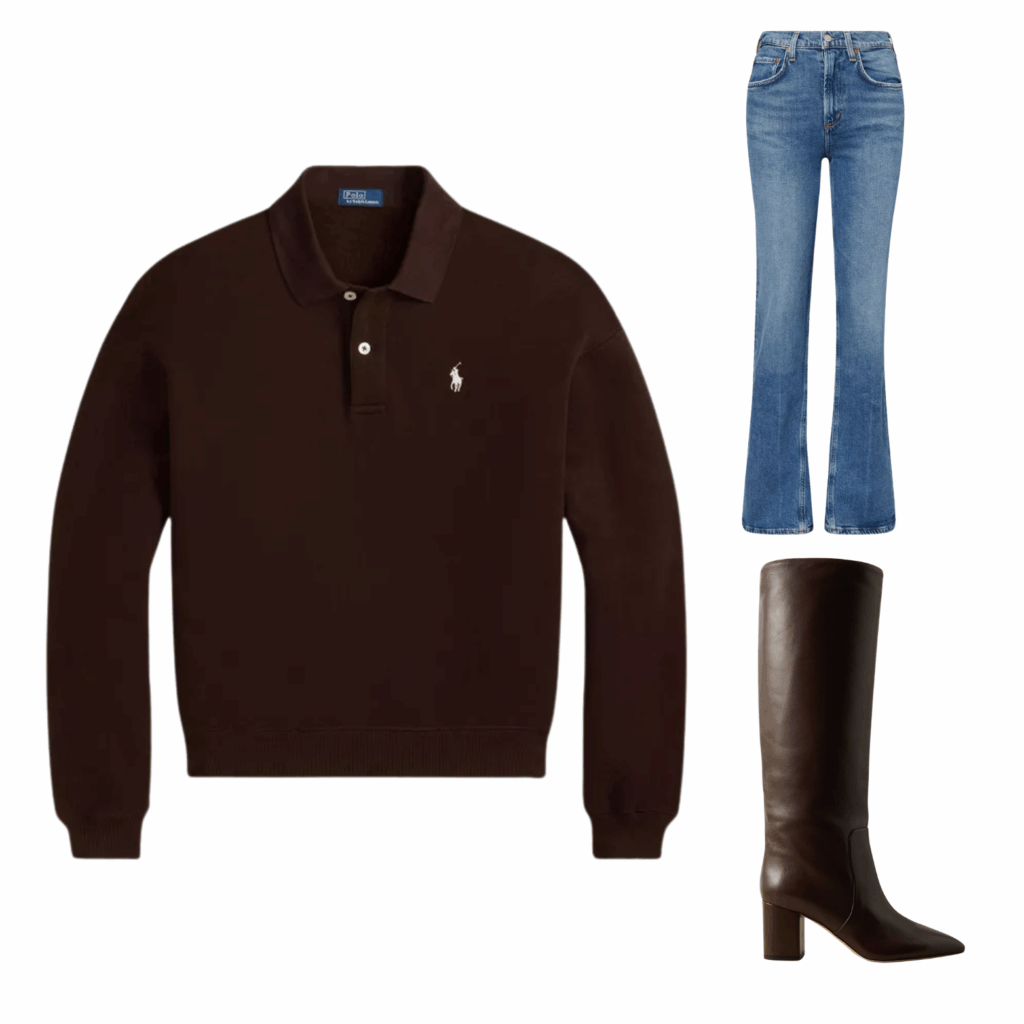
A nod to effortless sophistication rich chocolate tones paired with denim and sleek leather. Perfectly timeless for every season.
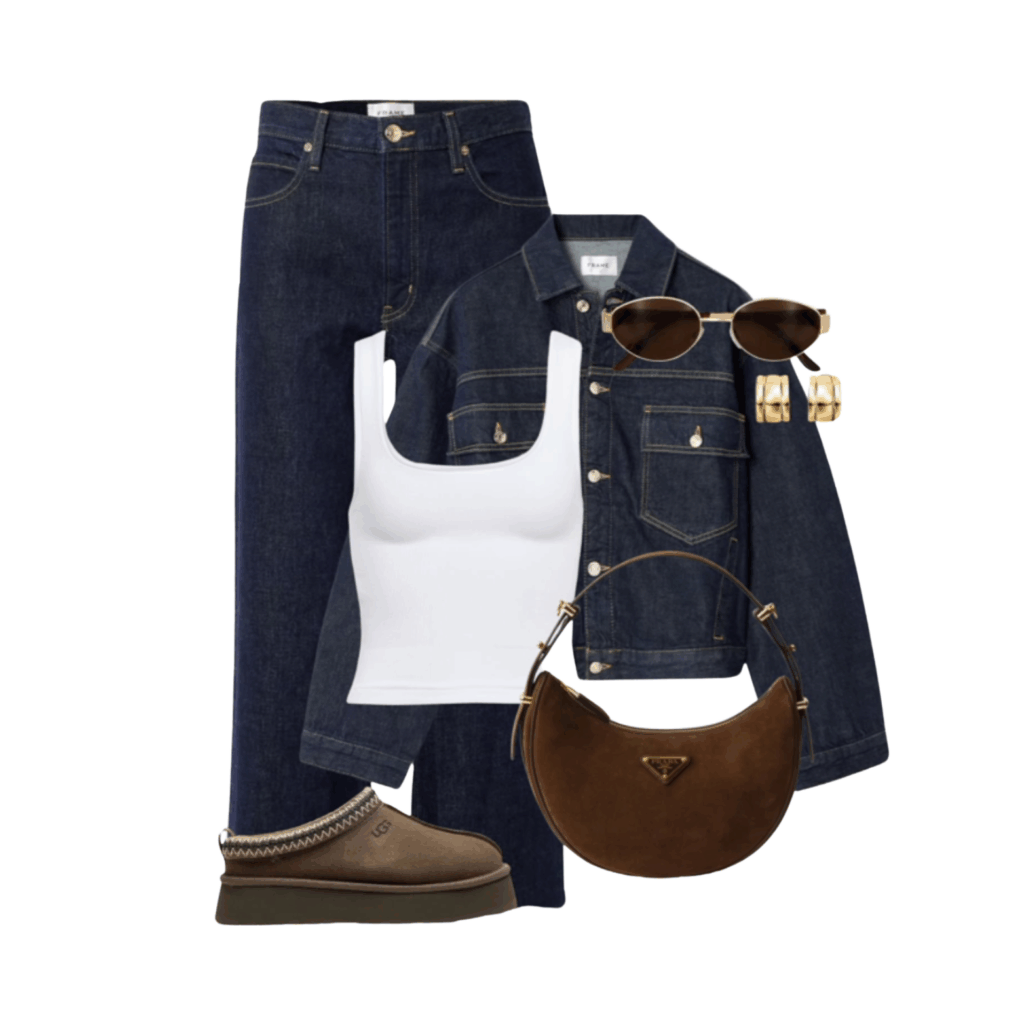
A refined take on off-duty dressing dark denim layered with clean white essentials and warm suede accents. Gold details and sculpted accessories add polish to a relaxed silhouette, proving that true style never tries too hard.
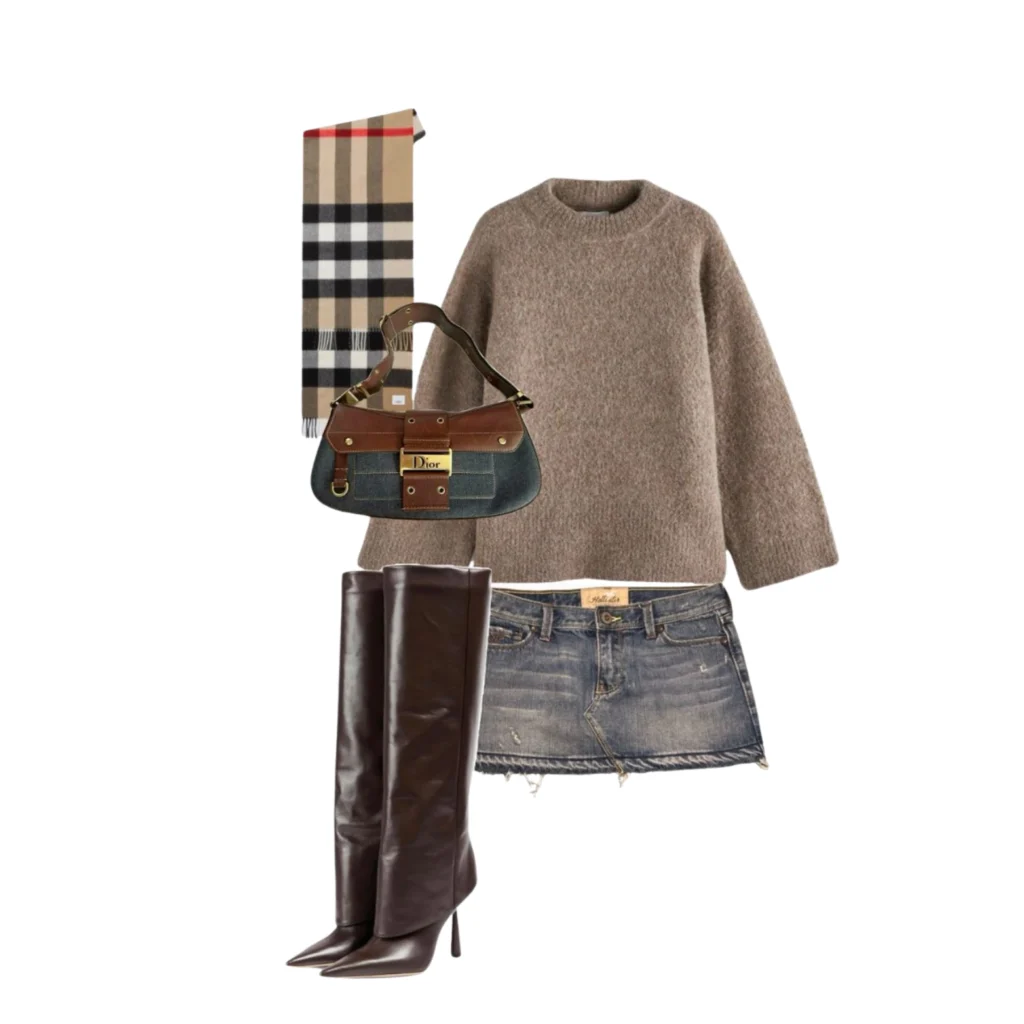
A balance of nostalgia and refinement  a soft wool knit paired with a denim mini and structured leather boots. The heritage check scarf and vintage-inspired Dior bag complete the look, blending old-money charm with effortless modern edge.

Quiet Luxury

A bit about Quiet Luxury

Quiet luxury looks expensive because the focus is always on quality and refinement. Neutral colours create a calm, polished base, while clean lines and good tailoring keep every outfit sharp. High-quality fabrics add texture and depth without needing bold patterns or logos. When the fit is smooth and the materials are good, even the simplest outfit feels elevated.

Why choose timeless fashion?

Timeless fashion is worth buying because it never goes out of style, meaning you get far more wear out of every piece. Instead of chasing trends that last a season, timeless clothing stays relevant year after year. The colours, fabrics, and shapes are classic, so your wardrobe always feels polished and put-together. You also save money in the long run: fewer impulse buys, more pieces that actually work with everything you own. And because timeless fashion focuses on quality, the clothes look better, feel better, and last longer. It’s a smarter, calmer, more confident way to build a wardrobe.

Outfits As Seen On You

Forever Pieces

Discover the essential pieces that outlast trends, elevate your personal style and become the backbone of a truly timeless wardrobe.

A timeless wardrobe is built on pieces that feel effortless year after year. These classics aren’t driven by trends they’re defined by quality, cut and versatility. Below, we’ve curated ten essentials that work across seasons, ages and occasions. These are the pieces worth investing in, re-wearing, and passing on.

A structured blazer instantly pulls any outfit.
Why it’s timeless: Sharp lines create effortless polish.
How to style: Jeans and a tee, dresses, wide-leg trousers, knitwear.
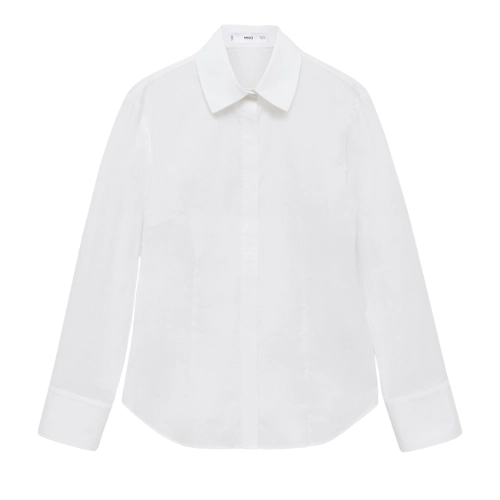
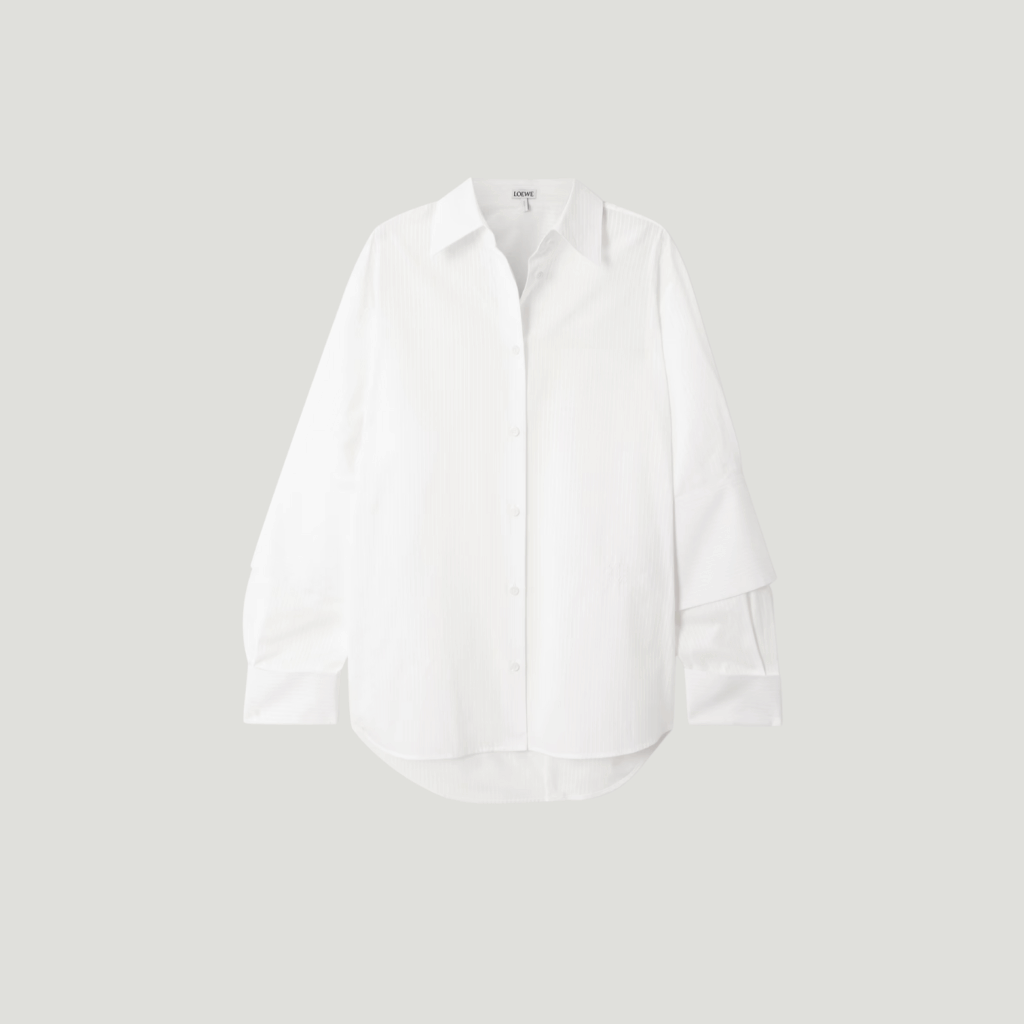
Clean, crisp, and endlessly adaptable.
Why it’s timeless: Its simplicity makes it powerful.
How to style: With denim, tailored trousers, layered under a blazer, or worn open over a tank.
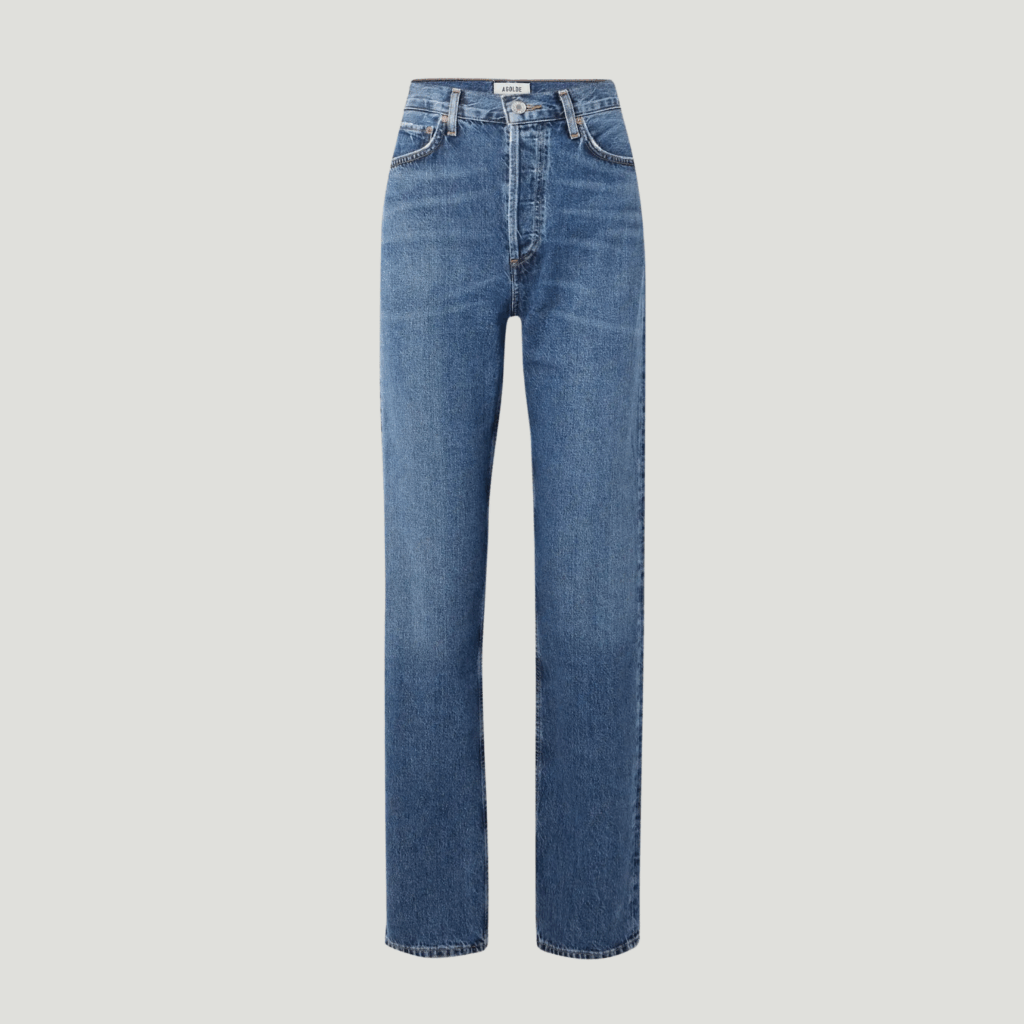
The most universally flattering denim silhouette.
Why it’s timeless: It balances comfort and shape without leaning into trends.
How to style: With boots, trainers, sandals, or a heeled ankle boot.
Elegant, simple, and always appropriate.
Why it’s timeless: It suits every era and every occasion.
How to style: Statement jewellery, a clutch, or a tailored coat for evening.